What Is Chiropractic?

Dedicated to Your Health and Wellness

Clinical research shows that our best health and well-being come from healing the body and mind as a whole.

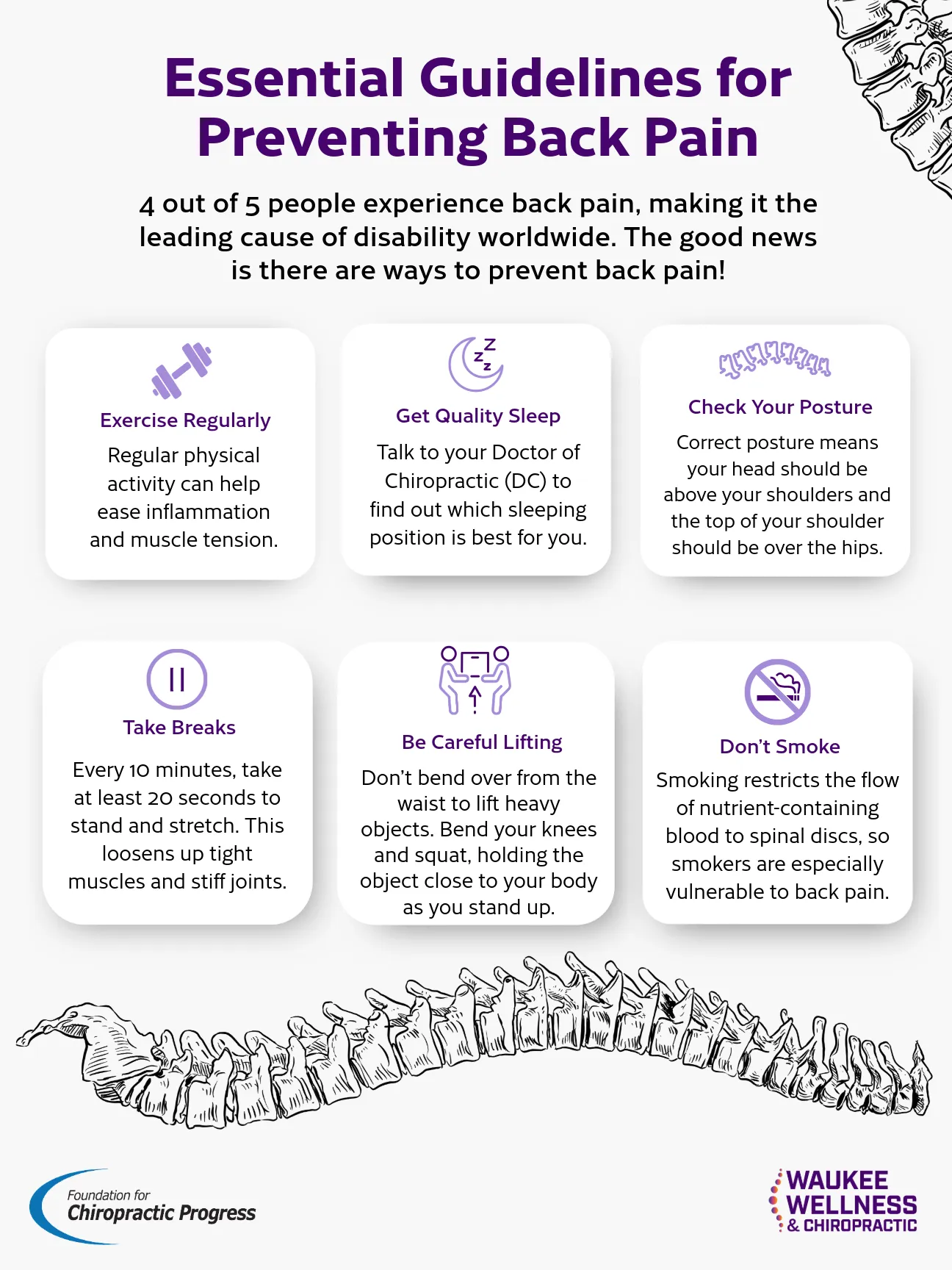
If you’re dealing with back pain, you’re not alone. More than 4 in 5 US adults (82%) have experienced back or neck pain in their life.


Lower back pain (LBP) is the single leading cause of disability worldwide and the condition for which the greatest number of people may benefit from rehabilitation.

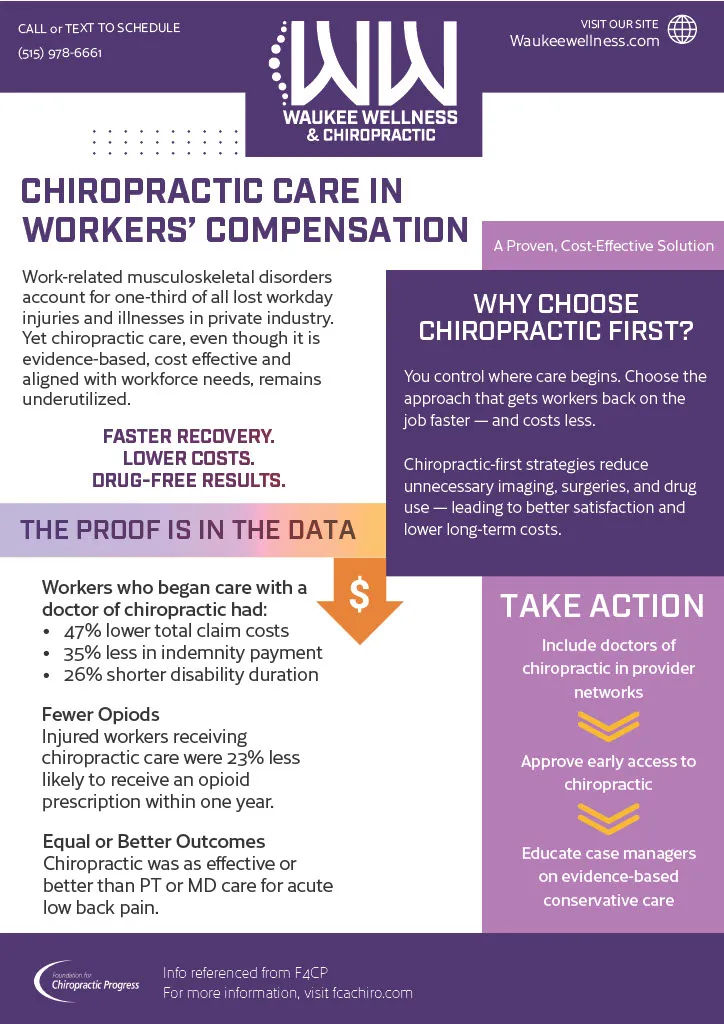
Back pain is one of the most common reasons for missed work. It accounts for more than 264 million lost work days in one year.

In 2020, LBP affected 619M people globally and it is estimated that the number of cases will increase to 843M cases by 2050.

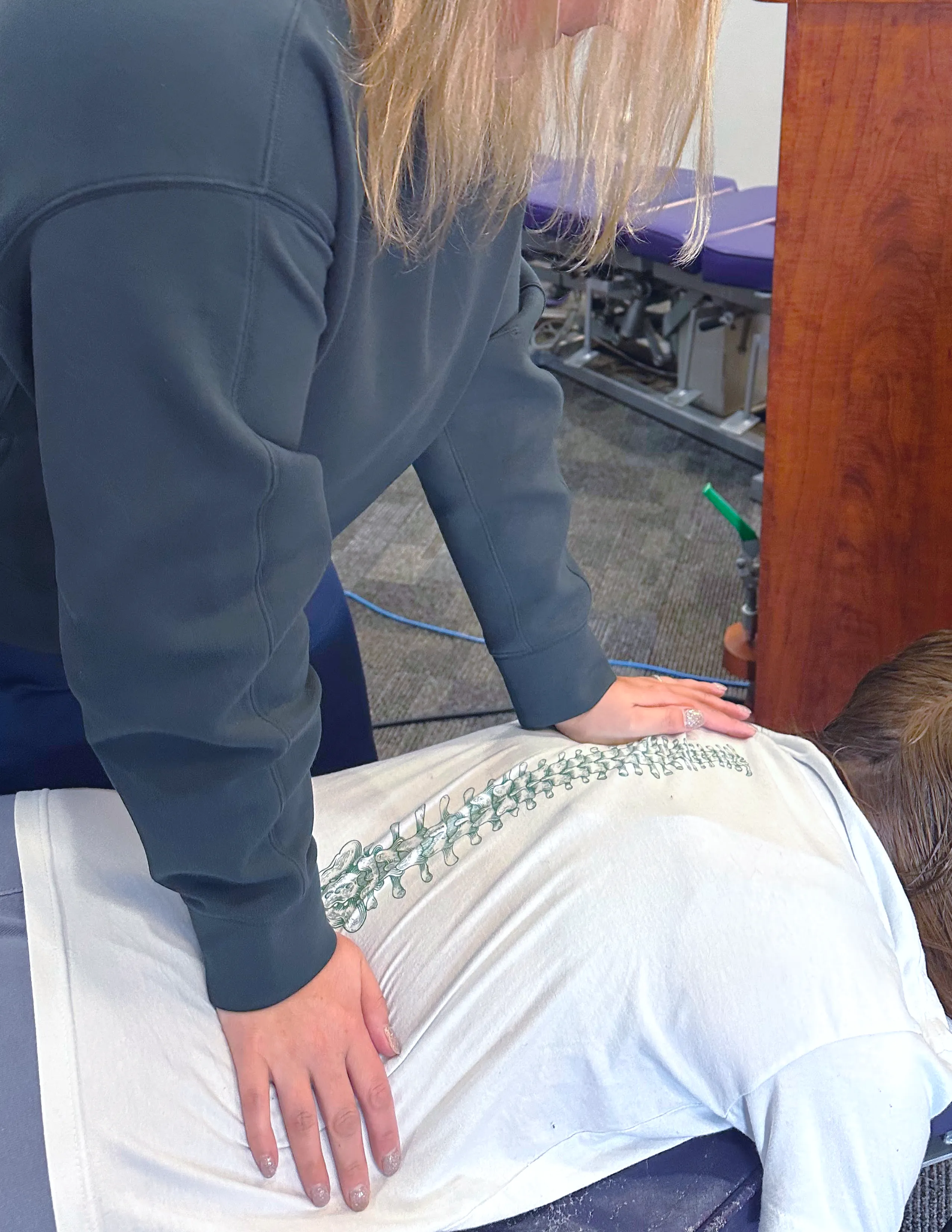
Doctors of Chiropractic (DCs) help with back pain through chiropractic adjustments to restore proper joint function to reduce discomfort and improve mobility.

Your DC may also relax tense muscles, provide posture correction guidance, recommend strengthening exercises, and offer lifestyle advice to prevent future pain. Their holistic approach often includes addressing overall whole-being care through nutrition and stress management.

Understanding Back Pain

What are the different types of back pain?

Acute Back Pain

  1. Duration: Lasts a few days to a few weeks
  2. Causes: Often results from an injury, strain, or lifting heavy objects.

Chronic Back Pain

  1. Duration: Persists for 12 weeks or longer.
  2. Causes: Can stem from conditions like arthritis, herniated discs, or fibromyalgia.

Maintaining a healthy back involves a combination of good habits, exercises, and lifestyle choices. Practicing proper posture, staying active, managing stress and chiropractic care can help!

Current evidence-based guidelines for low back pain (LBP) include that nonpharmaceutical options, such as chiropractic care, should be considered as first-line therapy before considering drug therapy.

Reducing back pain can ease our physical burden and can, in turn, enable us to improve control of other conditions through exercise and other types of physical activity.


DCs can work with other physicians on a plan that helps manage all health problems, along with lifestyle recommendations. Chiropractic care has been shown to improve sleep and our ability to exercise, which helps manage symptoms of numerous diseases.

Chiropractic

Healthcare services imageA “holistic” approach to optimal health involves designing a care plan that fixes the root cause of our problem and supports the rest of our body and mind. That is because an illness or injury in one area of our body does not just affect that part alone. It can limit our ability to do healthy activities such as exercise, sleep, prepare nutritious foods and connect with people we care about. In turn, we can develop new health conditions and our mental health worsens, which makes managing our original problem more difficult. We have to approach our health as a whole because it is all interconnected.


This holistic approach is a shift from what many of us are used to as we tend to take prescription or over-the-counter drugs to manage our health. While we may experience temporary relief, in the days, weeks or months ahead, our symptoms return. In some cases, we can create new problems of dependency and may even develop a substance abuse disorder, as we have seen become more prevalent over the last two decades because of the opioid epidemic.


Since its founding in 1895, chiropractic care has been devoted to holistic healthcare principles. Over nearly the past 130 years, these approaches and care procedures have solved many health problems for those individuals who embrace it fully. By correcting imbalances in the spine, doctors of chiropractic (DCs) are fixing health problems at their root cause through hands-on care and in addition, counseling patients on daily activities and habits that directly influence their health and well-being.

How chiropractic care can improve mental health:

Living with chronic physical pain is a daily struggle for 51 million Americans. Unsurprisingly, it can lead to depression and anxiety. As with chronic conditions and every other area of our health, pain has ripple effects across our body and mind. What researchers are learning now, though, is that mental health problems do not always occur after we develop a physical pain condition.

Reducing the intensity of physical pain symptoms can make the mental health therapies we receive more effective. Your mental health provider can also offer tips and exercises to help cope with pain symptoms.

Improved physical pain management can improve sleep quality through fewer interruptions, reduce reliance on painkilling drugs and encourage us to increase physical activity and connect with others socially, all of which are associated with improved mental health.

DCs are trained and experienced in designing home exercise plans to reduce pain, as well as for improving posture, sleep hygiene and nutrition.


Poor posture is associated with developing neck and back pain, but a recent review of clinical research also concluded that depression is significantly associated with a slumped posture.

Frequently Asked Questions


Q: Are chiropractors doctors?

A: Yes. Chiropractors are licensed healthcare professionals. In order to become a doctor of chiropractic, you must complete a bachelor's degree (or

equivalent pre-requisites), earn a Doctor of Chiropractic (DC) degree from an accredited chiropractic college (typically a 4-year professional program),

pass national board examinations and obtain state licensure.


Q: Is chiropractic safe?

A: Yes. Chiropractic is widely recognized as one of the safest, non-invasive and drug-free approaches available for neuromusculoskeletal issues when

performed by a trained and licensed DC.


Q: What conditions do chiropractors treat?

A: Doctors of chiropractic commonly treat back pain, neck pain, headaches, joint issues and muscle pain. They also help with mobility, posture and overall

whole-being care

Placeholder image
Placeholder image